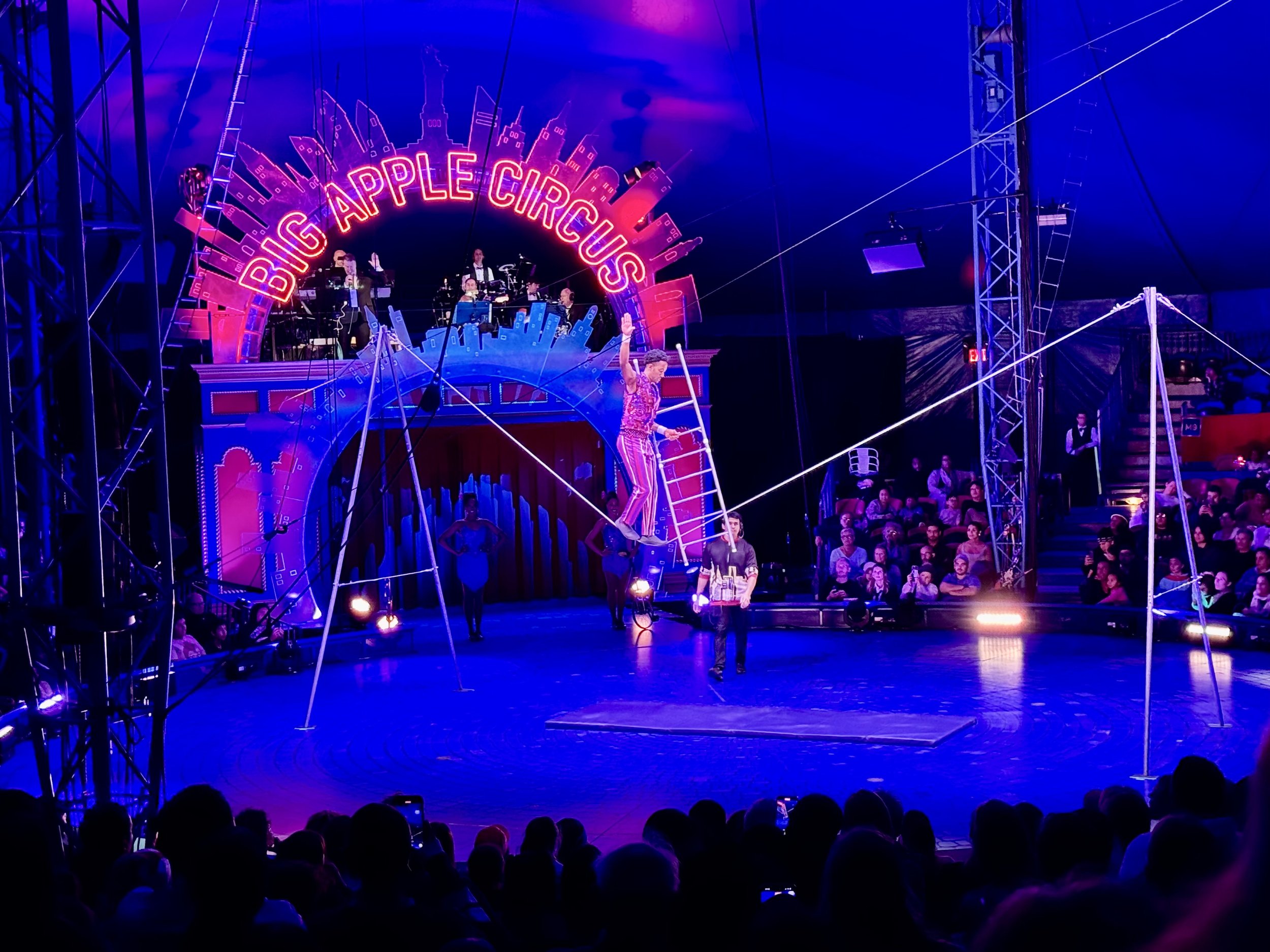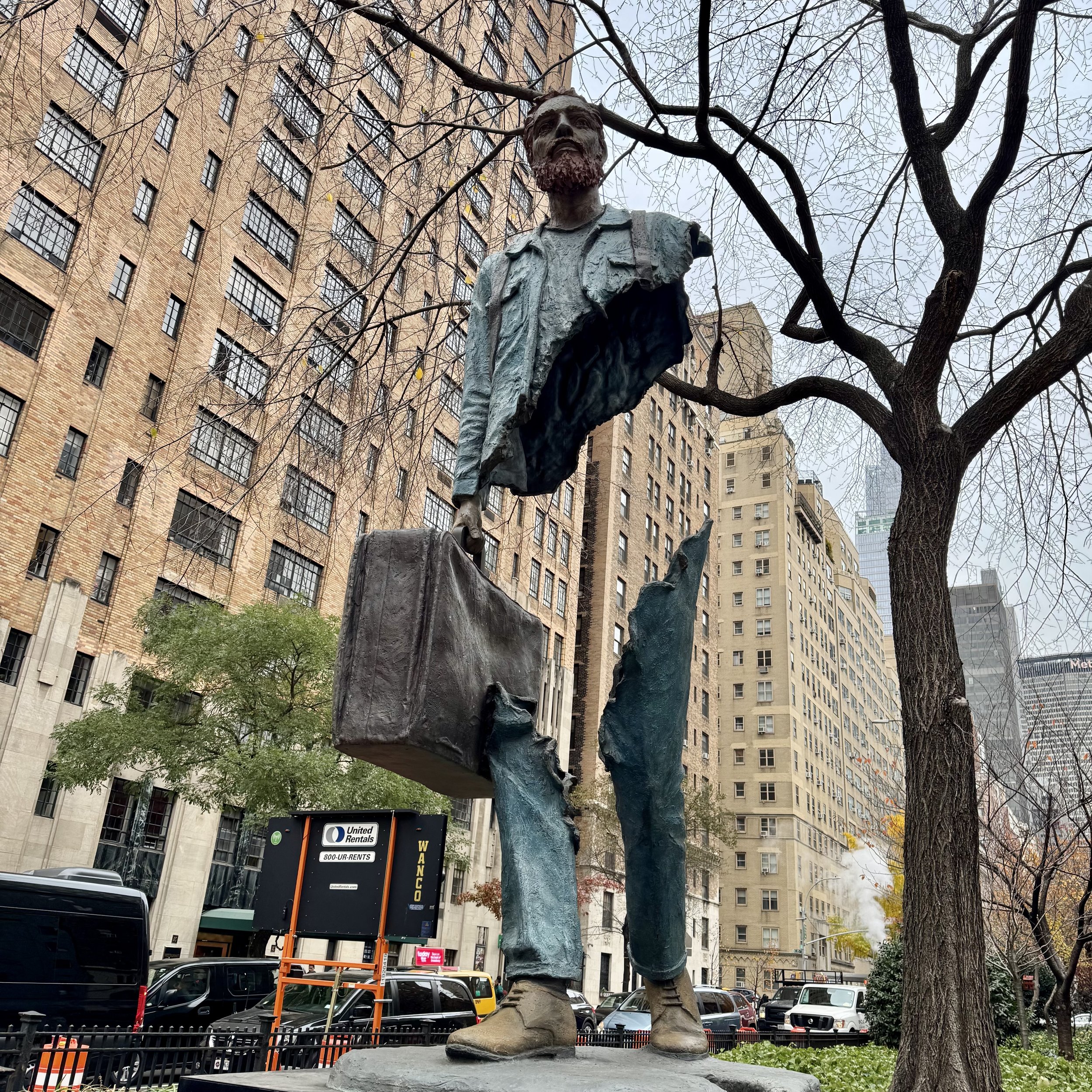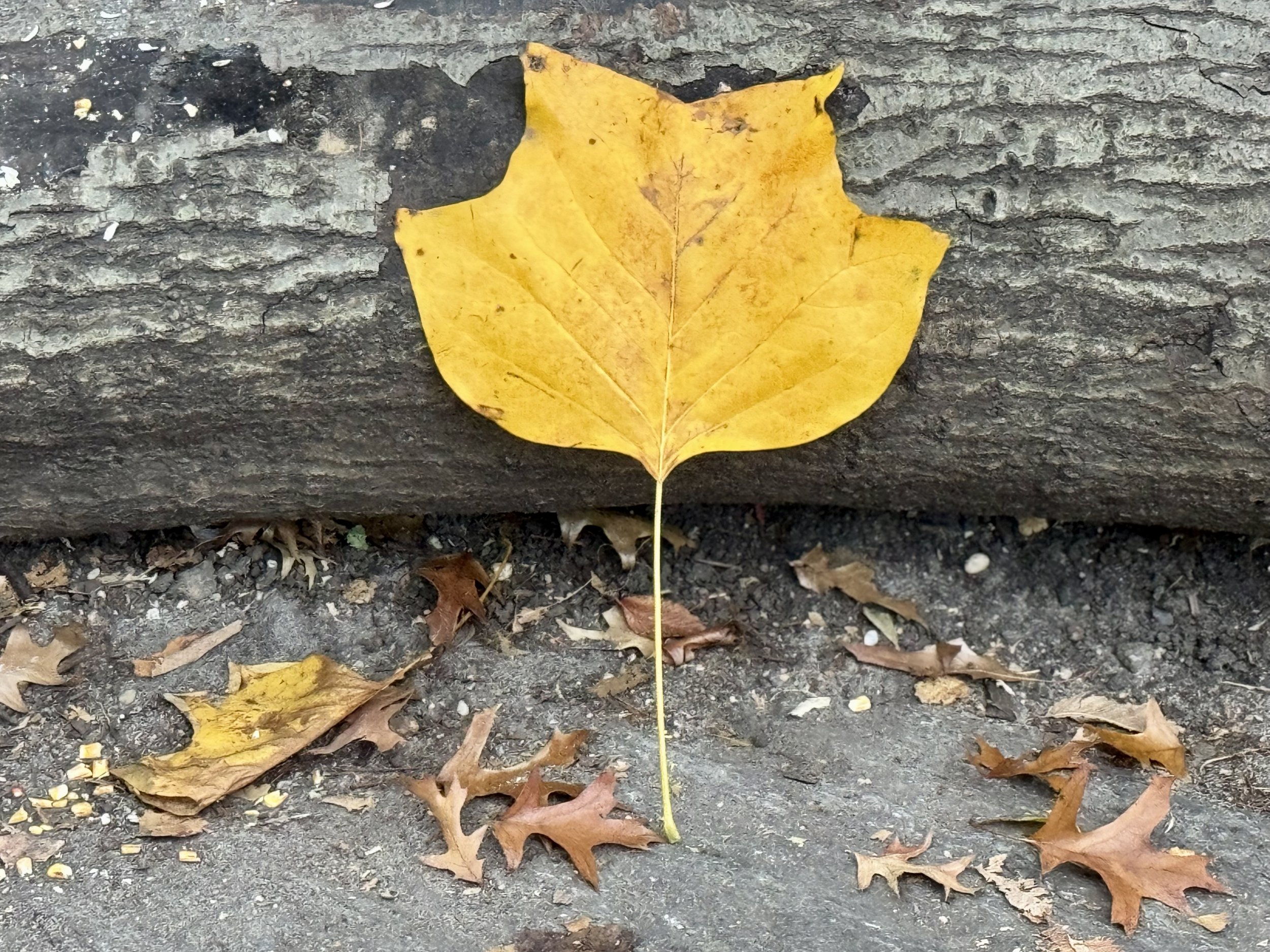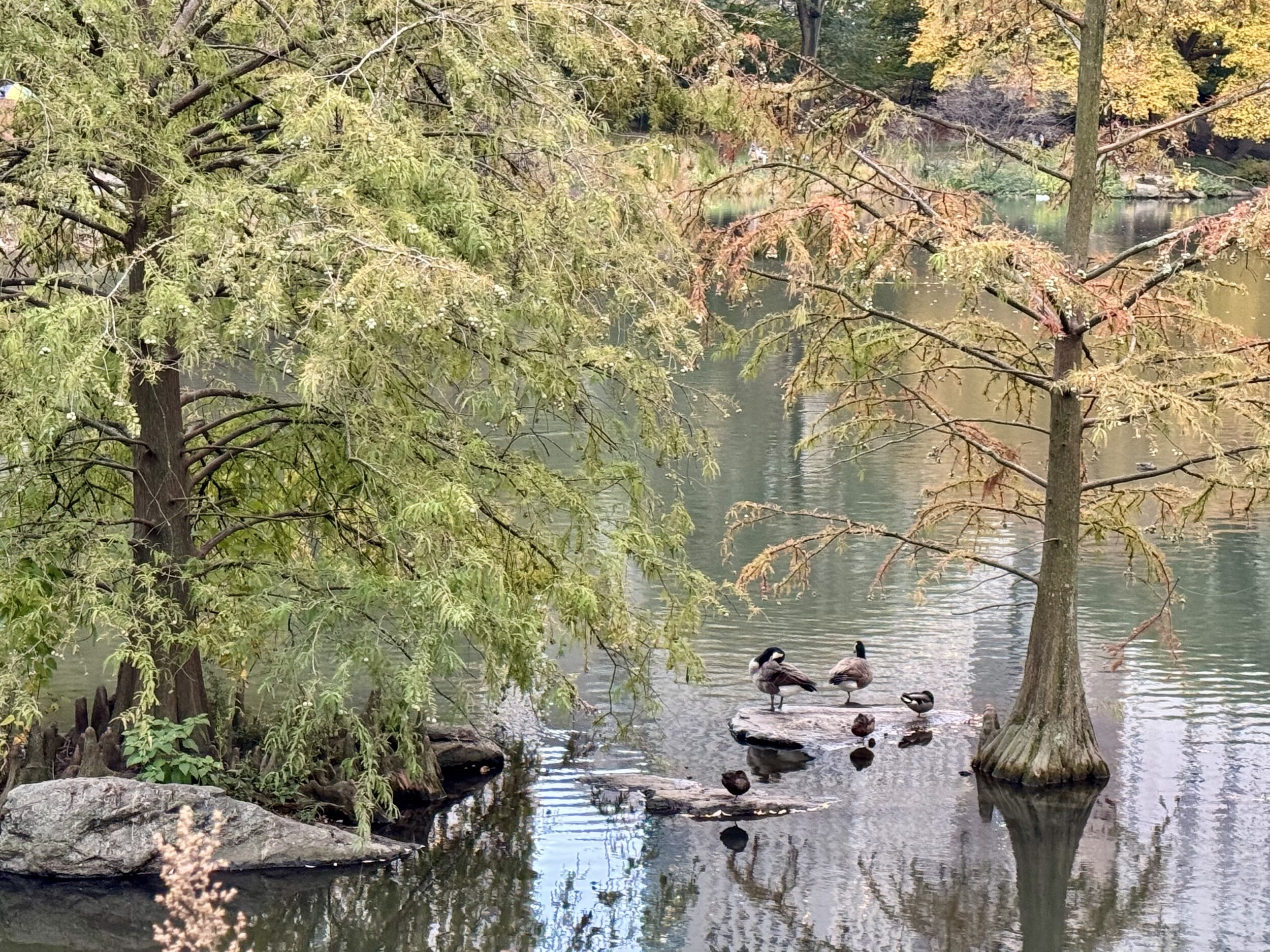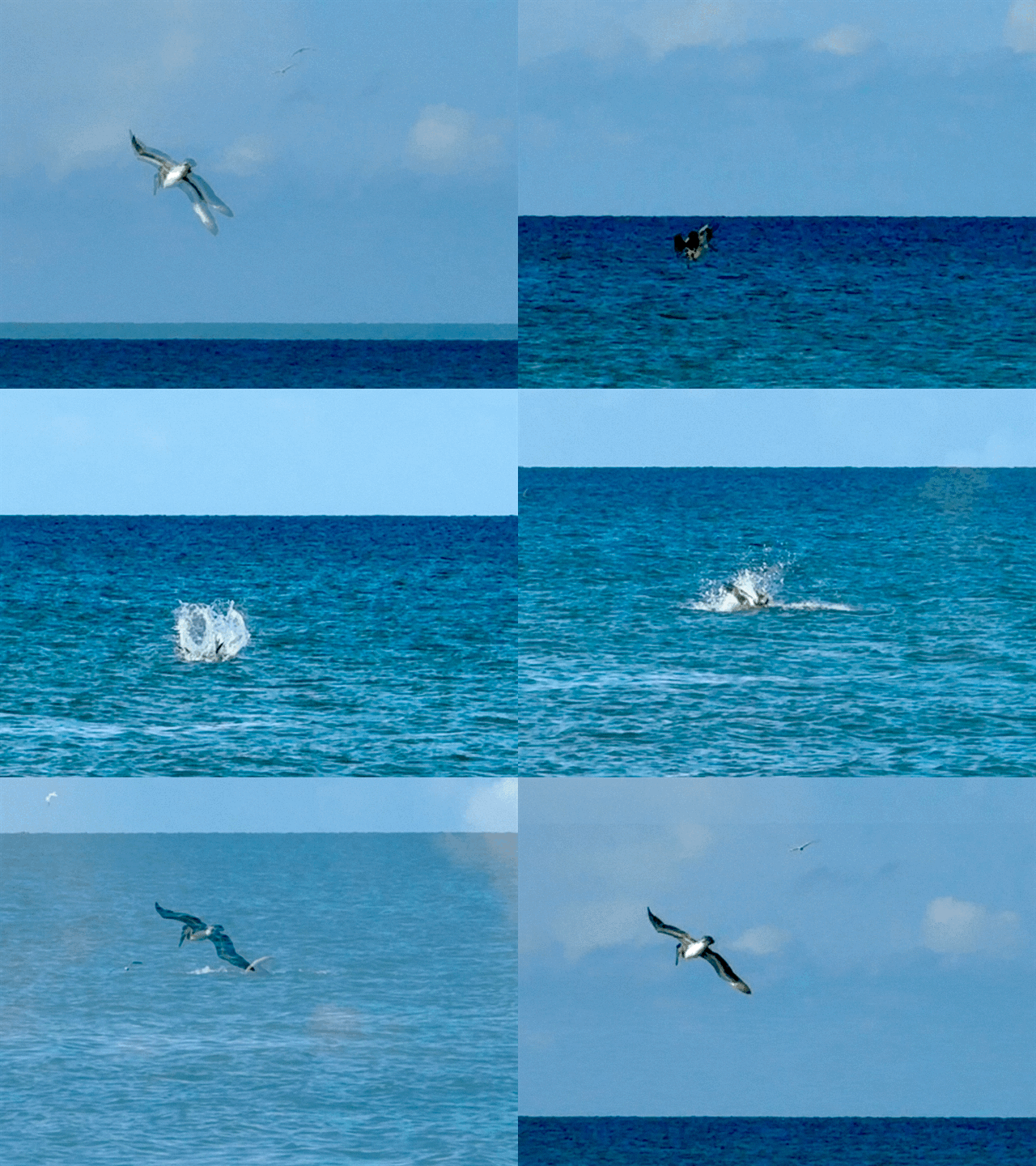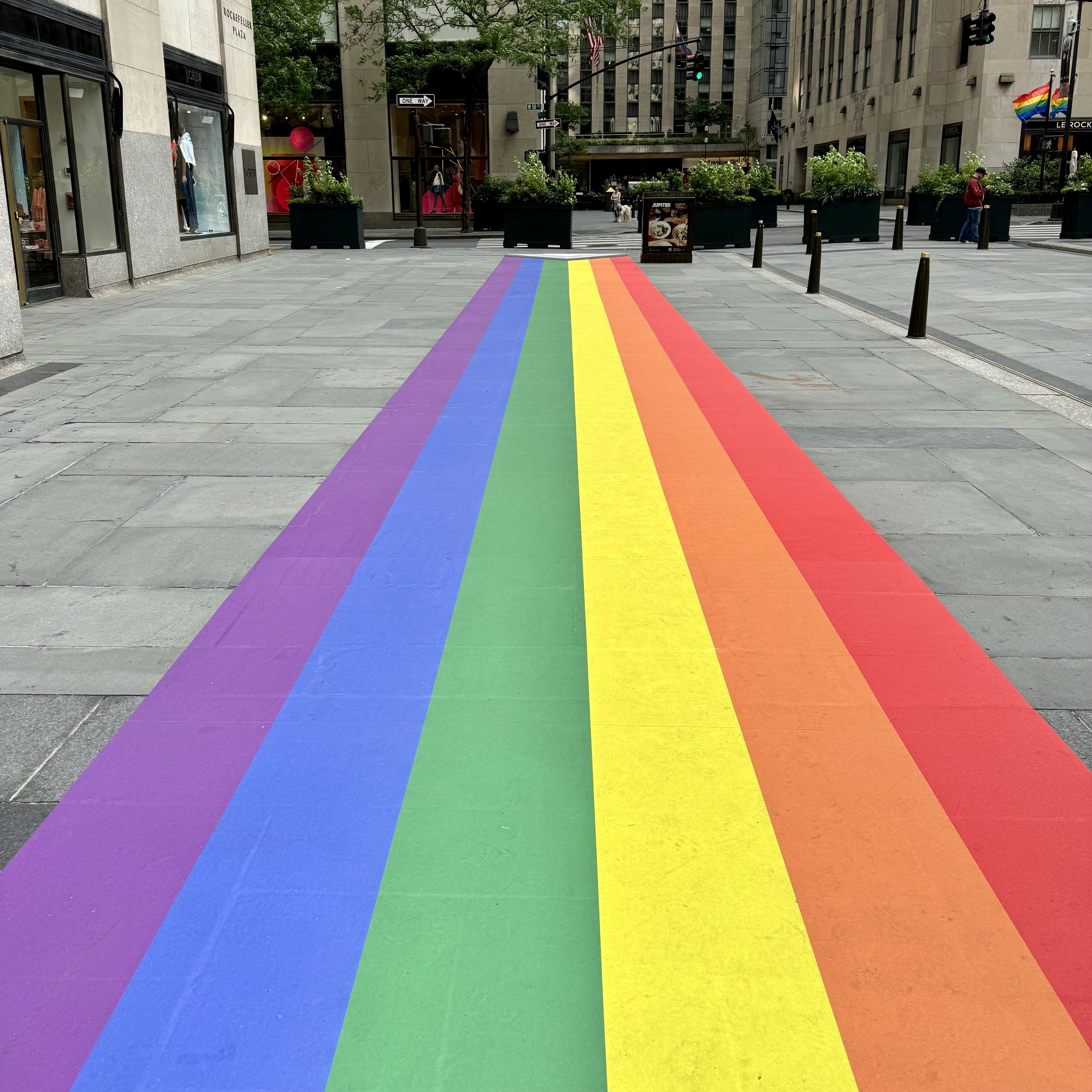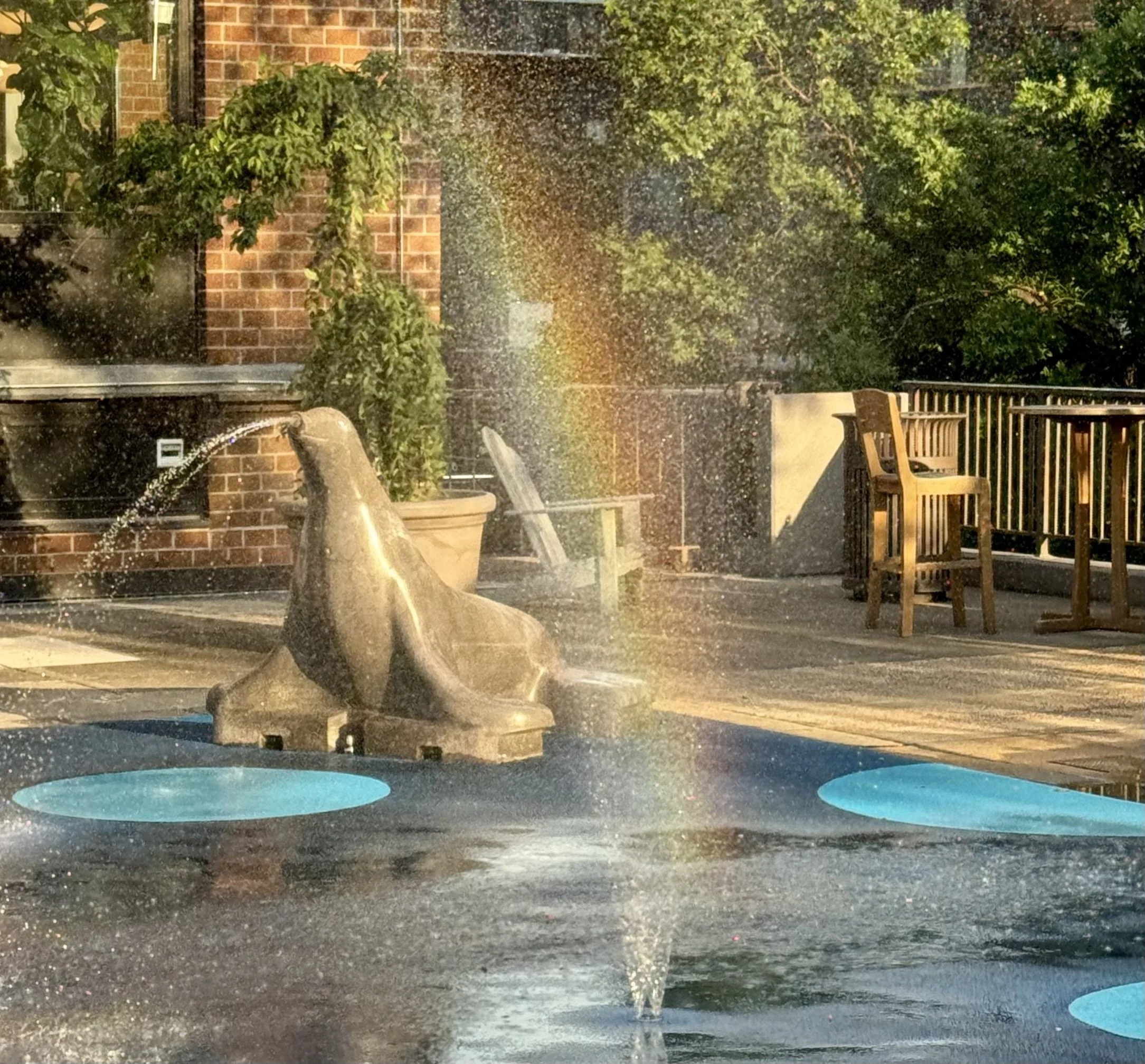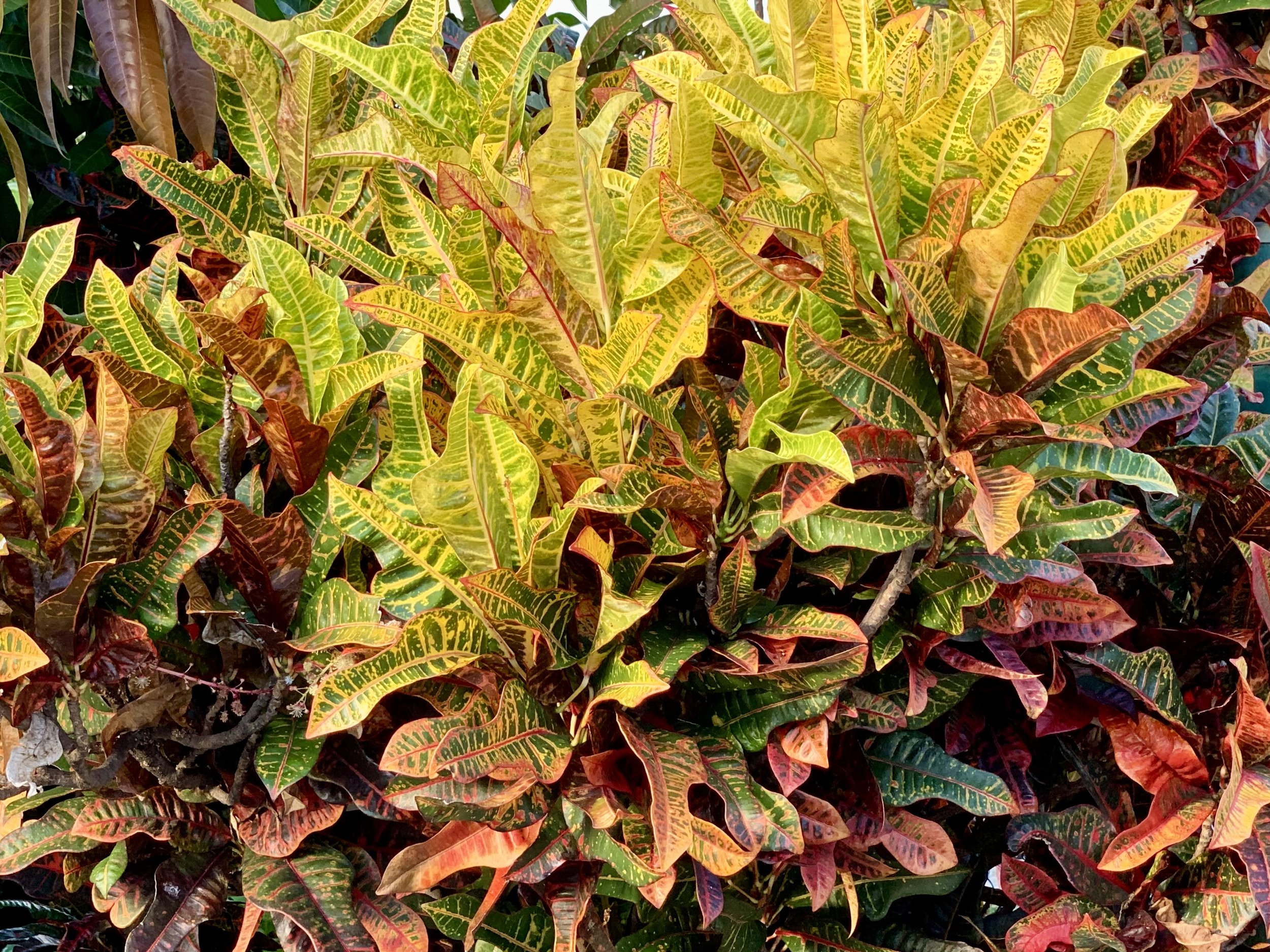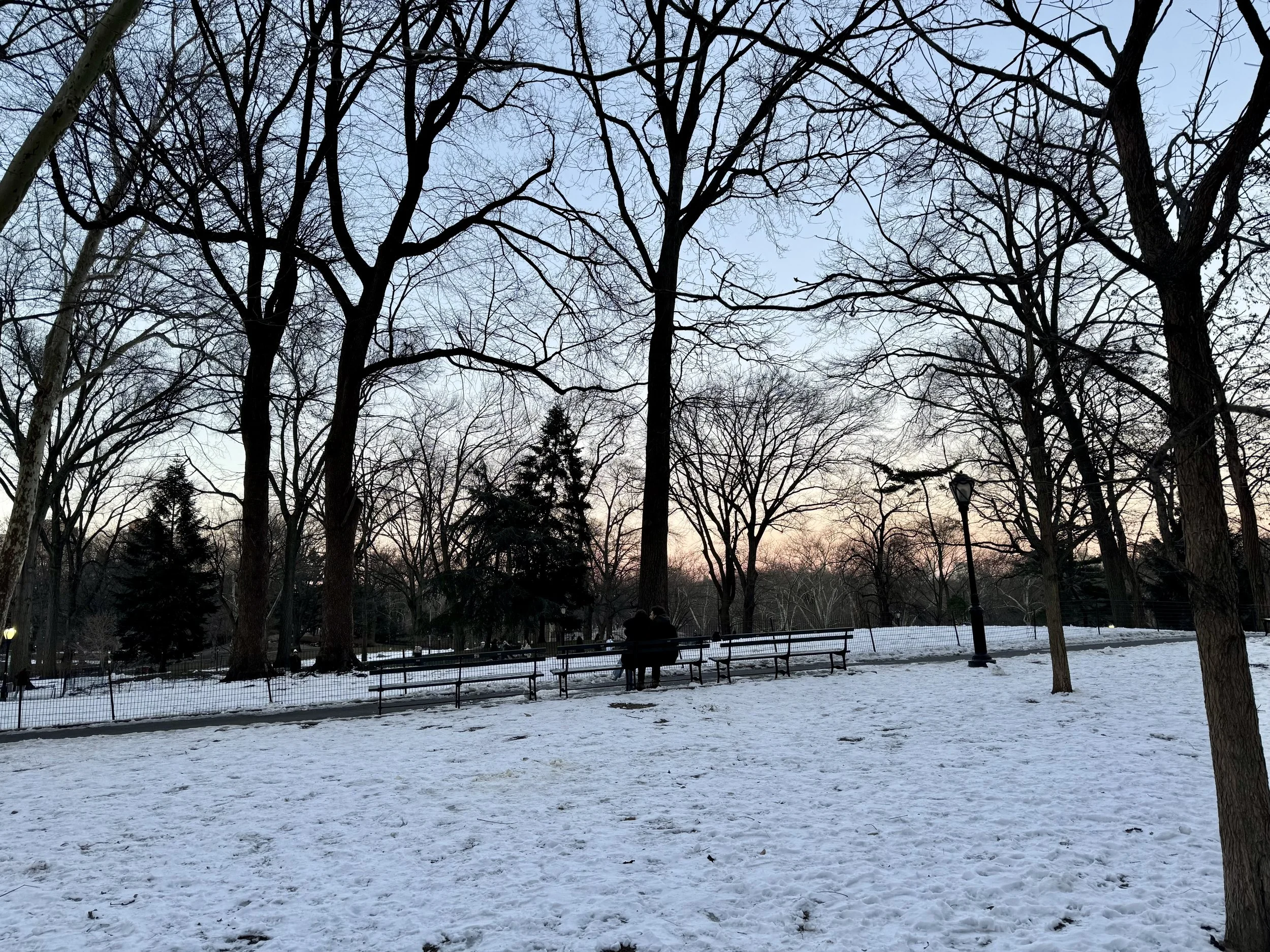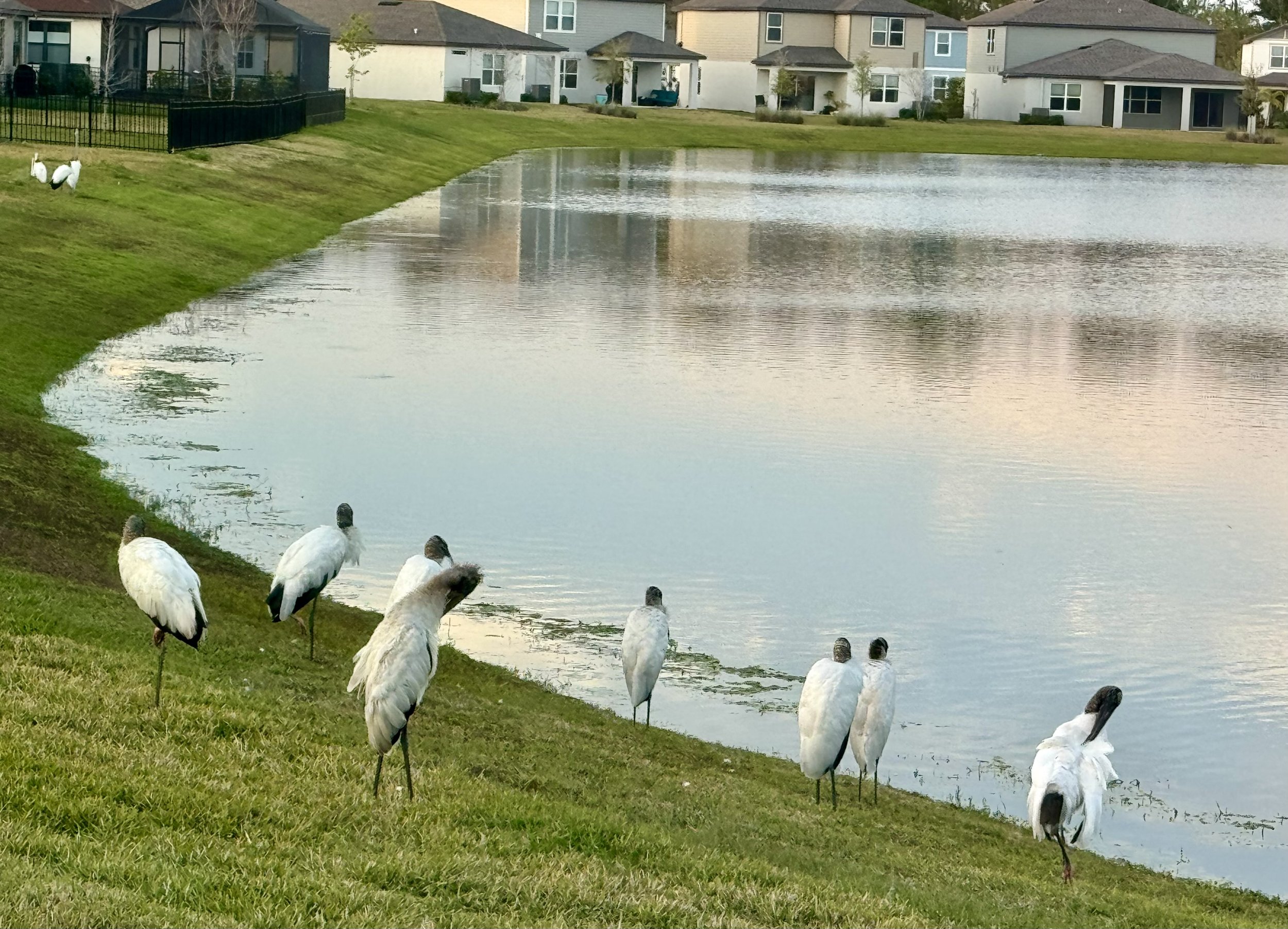


These sightings in April resonated.

Or the promise of the puffy white clouds? ...



Yoga and the Power of Satya – Truth
/
Plaque at the New England Holocaust Memorial on Boston's historic Freedom Trail. One of many truths that can never be erased.
……………………
Last week, I traveled up to Boston to experience in-person the World Figure Skating Championships. It was the ultimate Artist’s Date!
Along the way to TD Arena, I passed through a brief stretch of the Freedom Trail and came across the New England Holocaust Memorial. During this time in the world where forces want to erase many truths of human horrors, it is especially important that we honor truth-telling.
Turns out, we, as yogis, are especially called upon to practice truth-telling. According to the Yoga Sutras of Patanjali, before the physical practices of yoga (that we are all so familiar with), there are the yamas – moral restraint practices – and the niyamas – positive duties and observances. They are the so-called “Ten Commandments” of yoga.
The second yama is satya – the practice of restraining from lying. In essence, it is the practice of truth-telling.
Sutra 36 particularly caught my attention with respect to the benefits of truth-telling. SwamiJ interprets it this way:
2.36 As truthfulness (satya) is achieved, the fruits of actions naturally result according to the will of the Yogi.
(satya pratisthayam kriya phala ashrayatvam)
satya = truthfulness, honesty
pratisthayam = having firmly established, being well grounded in
kriya = actions
phala = fruition, results, effects
ashrayatvam = come as a result of, are dependent on, are subservient to (the Yogi)
Satya brings whatever is willed: For one who increasingly practices honesty or truthfulness in actions, speech, and thoughts, his or her will is naturally fulfilled.
I am encouraged to know that any opportunities I have to tell the truth will ultimately bring about that which I will. And, at the moment – as is the desire of many others, I’m sure – more than anything else I wish to will into existence resistance against erasure through truth-telling.
The Holocaust, of course, is just one example of many where history is being lost or forgotten. It’s hard to believe that 1 in 5 young Americans think the Holocaust was a myth. But history is full of other examples of human aggression and injury that are in danger of being forgotten. Prominent examples include slavery denial and the Genocide of Indigenous Peoples. Less well known – and one that is close to my heart – is the overthrow of the Hawaiian monarchy in the late 1800s.
However, the Sutra also warns:
In … reminding oneself (2.33, 2.34) that such behaviors, words, or thinking will only bring personal misery and suffering, the ensuing letting go process allows a natural flow of goodness or positive fruits to come.
In other words, lying will only bring about personal misery and suffering. That in itself should be more than reason enough to avoid lying.
On this point I’m also saddened to think about all those who are yet going to suffer because they’ve turned away from the truth. But that’s a long and whole other discourse. Sigh.
One other important thing to remember about practicing satya is that it is inextricably tied into the practice of the first yama – ahimsa – or non-harming, non-violence. SwamiJ says this:
Relation of Truth and Non-Harming: One of the challenges, if not confusions, that often happens with practicing satya (truthfulness) and ahimsa (non-harming) is how to balance them. It's important to remember that non-harming is the central practice of the five Yamas, and that the other four Yamas are in service of that. To not harm or hurt others is the central goal that the others serve. Learning how to delicately balance not lying while not being painfully honest with others is a real art of Yoga.
Practicing both ahimsa and satya in our daily lives really is the ultimate yoga practice. In some ways, it’s a more difficult practice to achieve than being able to stand on one’s head for a minute.
With respect to your yoga asana practice, try not to let your ego get the best of you. Try practicing yoga postures that your body is truly capable of doing. And along the way, do the least you can to harm your body by listening to it carefully in every moment. Your body has a natural wisdom that is available to you at all times, if you will just listen to it.
With truth-telling in such short supply at this time, I hope that your ongoing yoga practice can not only help you to be clearer about what is true and what is not, but also be able to speak the truth eloquently, compassionately, and wisely. That is part of our job as yogis.
Speaking truth to power in a nonviolent way is the ultimate power.
Speaking truth to power in a nonviolent way is the ultimate position of strength.
May telling the truth in a nonviolent way set you free.
We must never forget.
May you be happy, …
May you be healthy, …
May you advance your yoga practice through truth-telling, ...
May you speak truth in a non-harming way that will ultimately ripple out to positively benefit All Beings Everywhere.
Aloha and Metta,
Paul Keoni Chun
……………………
These sightings in March resonated.
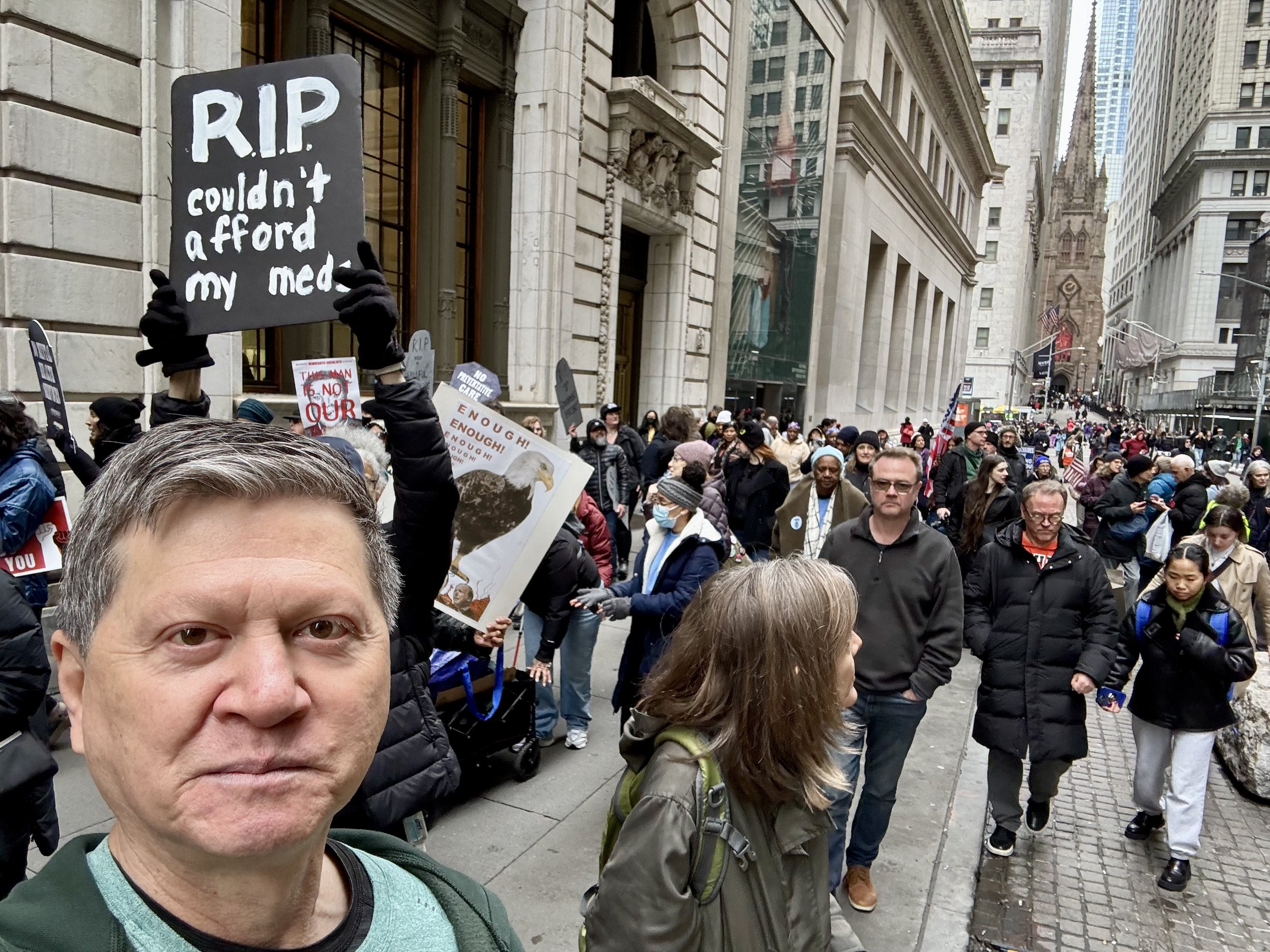
I was near Wall Street earlier this month when I happened upon this peaceful protest. I did my five-minutes worth of truth-telling. Thank goodness for our right to protest.
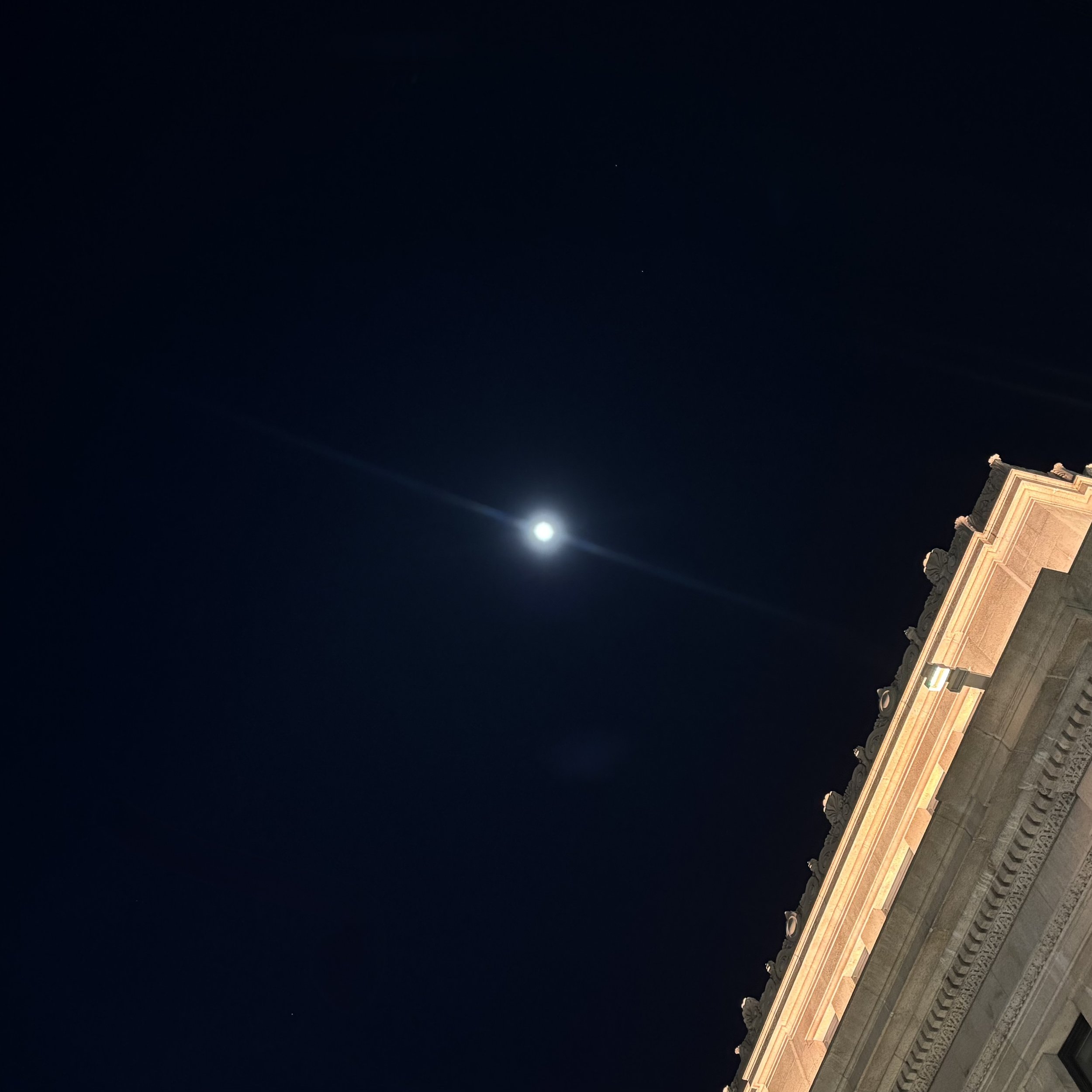
As seen from midtown Manhattan, the moon cast an eerie glow over us. Almost looks like a painting.

The promise of spring is upon us.
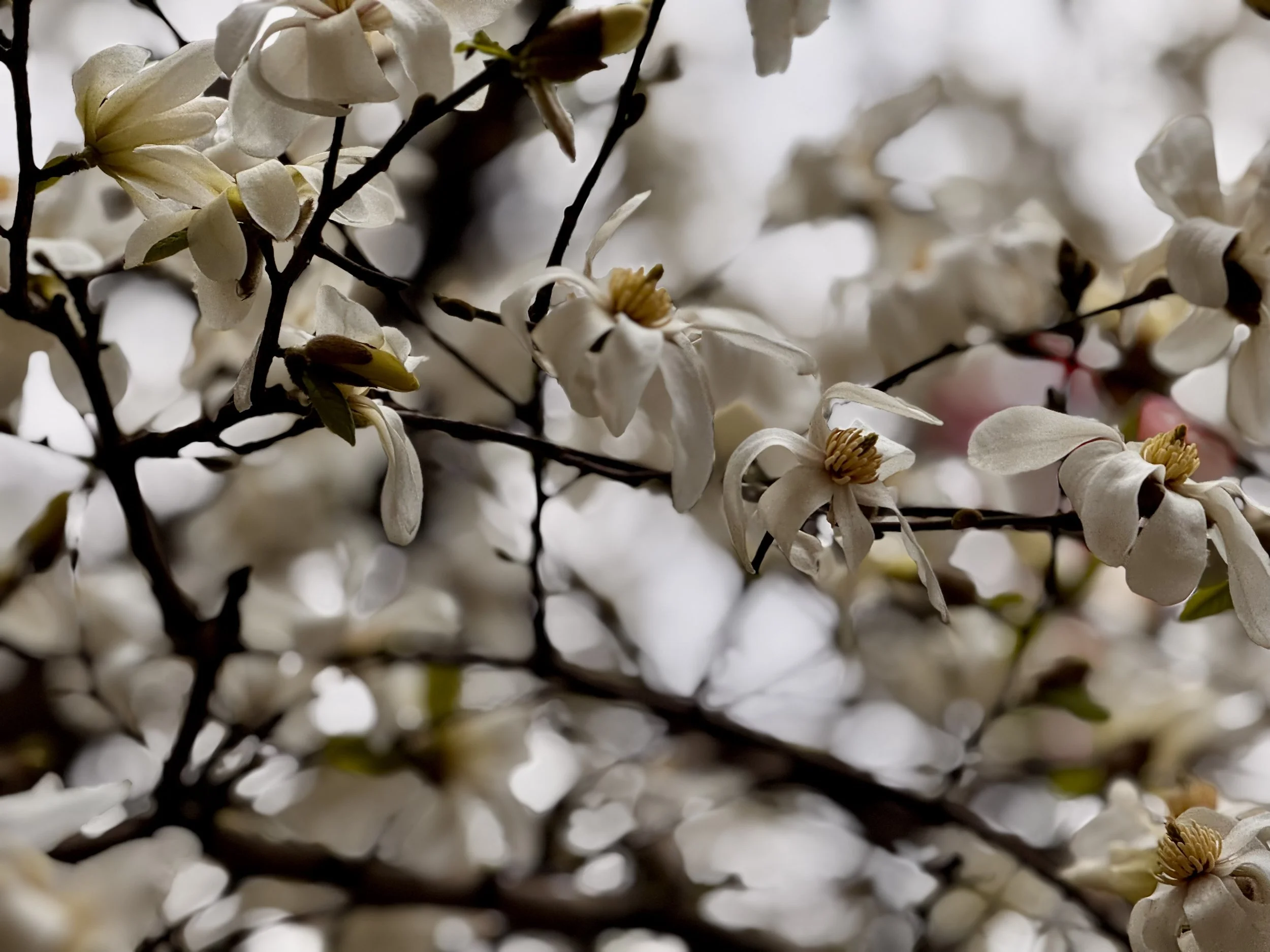
Speaks for itself.

Yoga and the Power of Mixing Compassion with Equanimity
/
Walking near the Moynihan Train Hall this past month, I looked up and witnessed to this natural wonder. I look at this as a sign that though things may seem dark at the moment, as long as our heart is beating, there is hope.
……………………
I shared before that I had done an online meditation course with Sharon Salzberg on the topic of Equanimity. (She’ll be offering the course again in March.) I wish to share more of the wisdom I gleaned from the course, as I think it could be very helpful to us in this moment.
Sharon taught that Equanimity – Upekkha – is one of the Brahma Viharas, which are boundless states of awareness that our hearts are capable of experiencing. Another one is Compassion – Karuna. It feels liberating to me just knowing that my heart is capable of experiencing these supreme states. It builds feeling of courage in me to try to see how far my heart can go in these directions.
Sharon describes karuna – compassion – this way:
Compassion can be thought of as the trembling of the heart in response to suffering and a movement of the heart towards that suffering to see if we can be of help.
Certainly, our collective hearts have been trembling quite a bit lately in the face of the suffering we’re seeing in the larger world. Reading this definition of compassion again, my first thought is what a gift it is that our heart can tremble. Whether it is melting at the sight of a puppy at play or feeling pain at the sight of someone suffering, this very fact that our heart can feel something is the entry point into greater states of awareness.
The key words for me in this statement are: “if we can be of help.” I can definitely say that there have been times when I’ve seen someone in distress and have tried to rush in to help, only to discover that my helping wasn’t really helping. Perhaps you can relate with me here. It pays to ask first: “do you need my help?”
Sometimes, people can be in distress but there’s really nothing we can do to help them. And that’s where our wisdom practices can kick in – we can balance caring deeply without becoming overwhelmed. Sharon says it like this:
The combination of compassion and equanimity allows us to care profoundly and yet not become overwhelmed or unable to cope because of that caring.
This can serve as a reminder that it is possible for us to care too much, and in a way that will ultimately be detrimental not only to ourselves but even to the person(s) we’re trying to help.
Sharon also says:
We can dedicate our lives to the alleviation of suffering and yet combine warmth and spaciousness, wisdom and kindness.
And:
There is a balance between opening one's heart fully and accepting the limits of what one can change.
I’m glad for this reminder that there are limits as to what I can do to effect change. As my heart trembles at what I am seeing and reading about in the news, I have to remind myself to cultivate spaciousness at the same time. It’s a delicate balance, but I am trying to practice being aware of what’s going on and at the same time “cocoon” them into a larger space so that I don’t become overwhelmed. I know that I cannot be effective if I’m overwhelmed.
I also know that this moment requires me to maintain and upkeep warmth and kindness in my heart, especially when I’m in a situation where there’s nothing I can do to change someone or some situation for the better. These times require me to call up wisdom – in this case the ability to see if I can be of help. On this point, Sharon teaches:
Myth: Compassion means only ever saying yes.
Fact: Compassion doesn't dictate a fixed response.
The wisdom to know that we can’t and shouldn’t always say yes – even if people ask us for help – is so important for us to keep at the forefront of our awareness. It will give us some space, and it will ultimately make us more effective as we try to figure out how we can help. Or if we can even help at all.
And there is so much wisdom in remembering that each situation we face is different, and that no fixed response is required. This will give us the flexibility to navigate these uncertain times with a certain power – the power that’s derived when we alleviate ourselves from the need or desire to have to come up with a response. Sometimes it’s OK to not do anything even as our heart trembles in the face of suffering. Sometimes, as the New York Times article “The Secret to Better Running? Walking.” suggests, doing the “run-walk method” is not only a strategy for runners, but also one that we can adopt in our daily lives. As the author discovered in her running practice, breaking up her running routine with short periods of walking actually led her to having faster overall race-times. Conversely, when she just pushed through and kept running, her race-times ended up being slower. Same in life. Each time we go out and try to tackle the challenges of our life the inner and outer variables will be different. So, some days we’ll accomplish more if we “run” and on other days it’s best if we “walk.”
We need to balance this perilous moment in Earth’s history with an acknowledgment that there are limits to what we can change – at least immediately. I think it’s wise to stay engaged, but be careful to not become overwhelmed. Again, we risk not being able to be effective if we become too overwhelmed.
So, as you negotiate these times in your own unique and particular ways, I hope that yoga and meditation can keep your heart open and spacious, warm and kind. And I hope that you will see your heart’s trembling as the doorway to even more liberation.
May you be happy, …
May you be healthy, …
May your heart tremble, ...
May the trembling of your heart inspire you to take wise actions that will benefit people nearest to you … and ultimately, ripple out to benefit All Beings Everywhere.
Aloha and Metta,
Paul Keoni Chun
P.S., as I compose this, my heart is trembling as I witness President Volodymyr Zelensky’s utter bravery in the face of having been attacked for stating what most people in the world know to be true. May we all have such bravery to state Truth to power.
……………………
These sightings in February truly made my heart tremble.
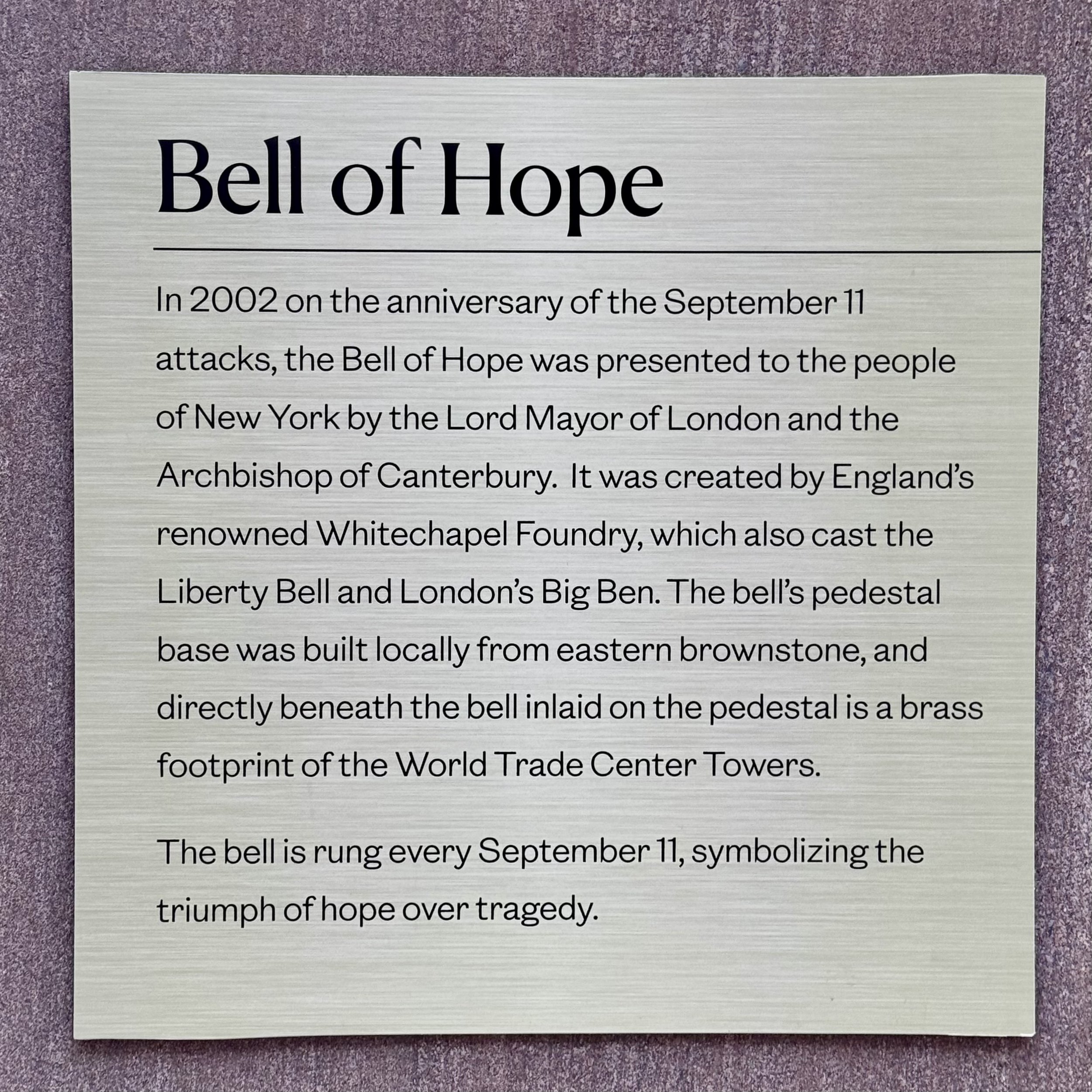
With the Freedom Tower in the background, the Bell of Hope behind St. Paul's Chapel in Lower Manhattan serves as a reminder that hope will always triumph over tragedy.

This plaque inside St. Paul's Chapel reminds us that meekness is a sign of wisdom and - paradoxically - strength.

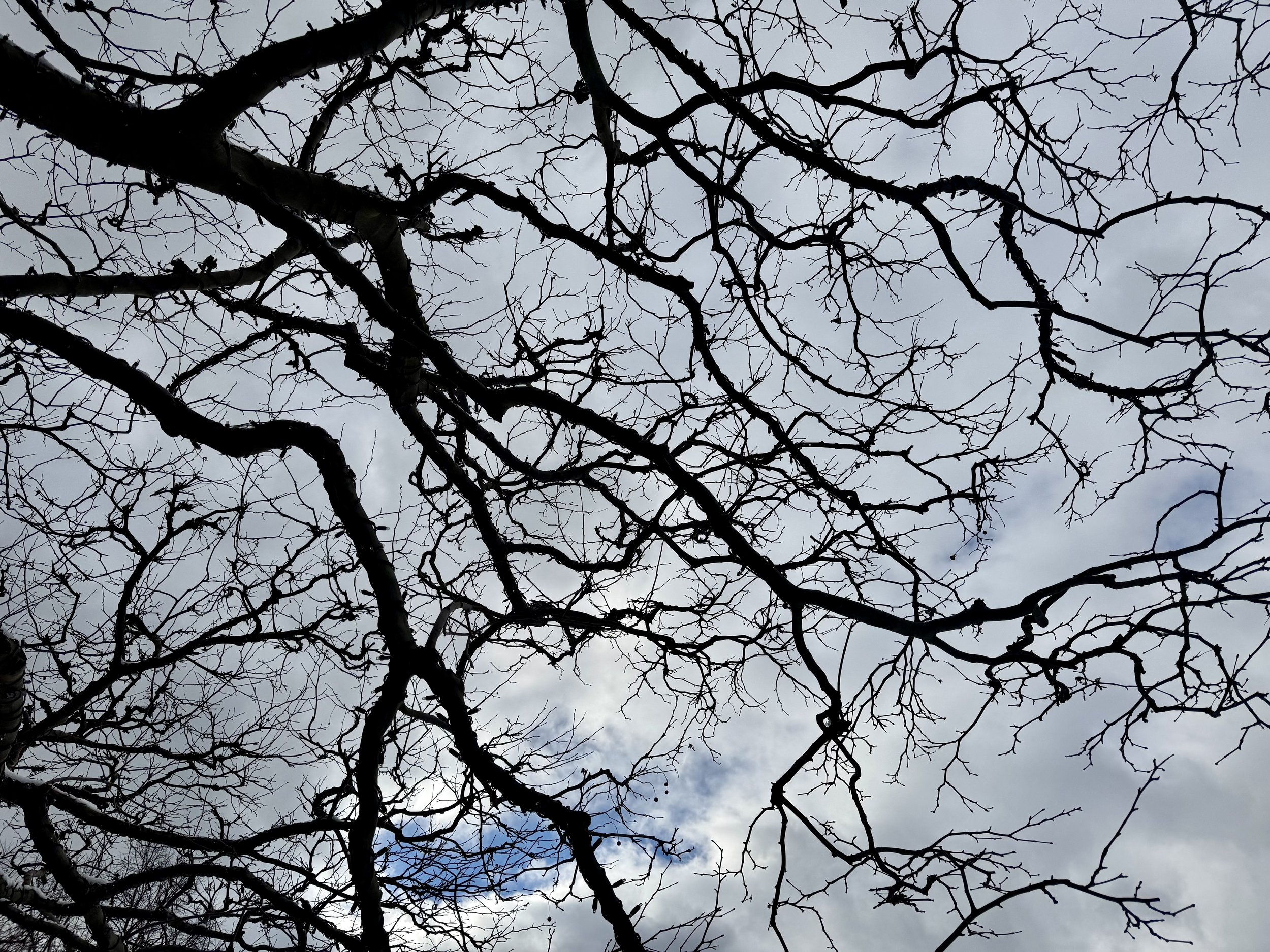
Things may seem bleak at the moment, but there are still patches of blue, spacious sky to behold. That's where I'm placing my attention.
This month I was invited to teach chair yoga to people with disabilities at the Center for Family Support. My heart is trembling thinking that they will be greatly affected if Medicaid benefits are reduced. The suffering is starting to hit closer to home.

Photo Credits:
Scenes from around New York shot by me.
Scenes from the Center for Family Support shot by Leslie A. Colón.